
Honor of Kings Global: How the Global Version Differs from the Chinese Original
Honor of Kings has long been recognised as one of the most influential mobile games in the world, dominating the Chinese market for years. With the release of Honor of Kings Global, Tencent and TiMi Studio Group have taken a careful approach to adapting the title for international audiences. While both versions share the same core mechanics, the differences between them are deliberate and technically significant.
Game Structure and Core Mechanics
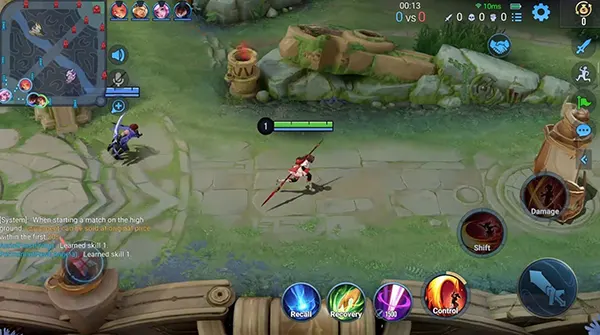
The fundamental gameplay loop remains unchanged between the Chinese and global editions. Both versions focus on fast-paced five-versus-five matches, symmetrical maps, and clearly defined hero roles such as tank, marksman, mage, support, and assassin. Match duration and victory conditions are aligned to preserve competitive balance.
However, the global version introduces slight adjustments to pacing and onboarding. Tutorials are expanded and simplified to accommodate players unfamiliar with the MOBA genre. Progression systems are presented with clearer explanations, reducing reliance on external knowledge that Chinese players often already possess.
Another structural difference lies in accessibility features. The global release includes broader language support, revised control sensitivity presets, and performance optimisation for a wider range of mobile devices, especially mid-range Android hardware common outside China.
Matchmaking and Ranked Play
In the Chinese version, matchmaking benefits from an enormous active player base, allowing for extremely granular skill brackets. This results in highly consistent match quality, even at off-peak hours. The global version compensates for a smaller player pool by using region-based matchmaking combined with adaptive ranking algorithms.
Ranked modes are largely similar in structure, but reward distribution differs. The global edition offers fewer time-limited ranking rewards and places more emphasis on seasonal progression rather than short competitive cycles.
Anti-smurf and behaviour monitoring systems are more visible in the global release. Clear penalties, warnings, and reporting feedback are integrated directly into the interface, reflecting international compliance standards and player expectations.
Heroes, Visual Design, and Cultural Adaptation
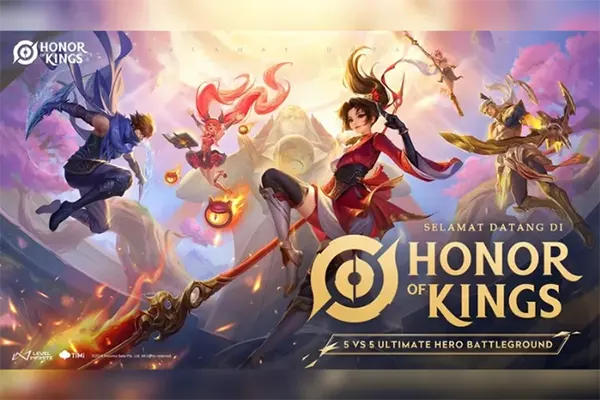
One of the most noticeable differences between versions lies in hero presentation. The Chinese edition draws heavily from historical figures, mythology, and folklore familiar to domestic players. Character names, visual motifs, and voice lines often reference well-known cultural narratives.
For the global version, several heroes have been redesigned or renamed to improve clarity and cultural neutrality. Visual elements are adjusted to avoid references that may be obscure or misinterpreted outside China, while maintaining distinct silhouettes and gameplay identity.
Voice acting is fully re-recorded for global audiences, with English and other language options prioritising clarity and tone consistency rather than literal translation. This contributes to better immersion for players unfamiliar with the original context.
Skins and Cosmetic Content
Cosmetic content follows different release strategies. In China, skins are frequently tied to local events, historical celebrations, or domestic partnerships. These collaborations often have limited relevance outside the region.
The global edition focuses on original skin lines designed specifically for international markets. Themes tend to be more universal, such as sci-fi, fantasy, or esports-inspired aesthetics, ensuring broader appeal.
Pricing models are also adjusted. While the Chinese version relies heavily on time-limited sales and event-driven exclusivity, the global release opts for more predictable availability and transparent pricing structures.
Monetisation, Events, and Long-Term Support
Monetisation remains cosmetic-focused in both versions, avoiding gameplay advantages. However, the Chinese version integrates more frequent micro-events that encourage daily spending through layered reward systems.
The global edition simplifies monetisation by reducing overlapping event mechanics. This approach aligns with international regulatory expectations and player preferences for clearer value propositions.
Battle pass structures differ slightly, with the global version offering longer seasons and fewer mandatory daily tasks. This design supports more flexible play patterns common among Western audiences.
Live Operations and Esports Ecosystem
China hosts a deeply established esports ecosystem for Honor of Kings, including professional leagues, youth academies, and national tournaments. These systems are closely integrated into the game client itself.
Globally, esports development is more gradual. Competitive features exist, but community-driven tournaments and regional leagues are prioritised over large-scale professional circuits during the early growth phase.
Long-term support strategies reflect this difference. The Chinese version evolves rapidly with frequent system updates, while the global edition focuses on stability, balance refinement, and incremental feature rollouts.