
Reigns: Beyond on Android in 2026: How Swipe Decisions, Ship Resources and Music Mini-Games Work
Reigns: Beyond brings the familiar left-or-right decision system of the Reigns series into a science-fiction road trip built around an intergalactic indie band. The Android edition is available in 2026 and retains the central idea that makes the series easy to understand: almost every important situation is presented as a card with two possible responses. What makes Beyond different is everything surrounding those cards. The player has a spaceship to keep operational, crew members with their own problems, planets to visit, concerts to perform and four resources that can end a journey when badly managed. Music also becomes part of the playable structure rather than simply providing background audio. The result is a narrative game that requires very few controls but continually asks the player to judge risk, recognise consequences and decide how much trouble is worth accepting for the sake of progress.
How Reigns: Beyond Works on Android in 2026
Reigns: Beyond is developed by Nerial and published by Devolver Digital. Its Android version became available in 2026 after the game had already appeared on other devices in earlier years. Google Play lists the Android edition as a paid game and, as of late August 2026, shows an update dated 11 August. The basic premise has not been altered for the mobile release. Instead of ruling a medieval kingdom, the player becomes the captain of a powerful spacecraft and ends up travelling with an unsuccessful indie rock band. The group moves between planets in search of gigs, money, new contacts and a much larger audience, while the journey regularly produces problems that are far more dangerous than an empty concert venue.
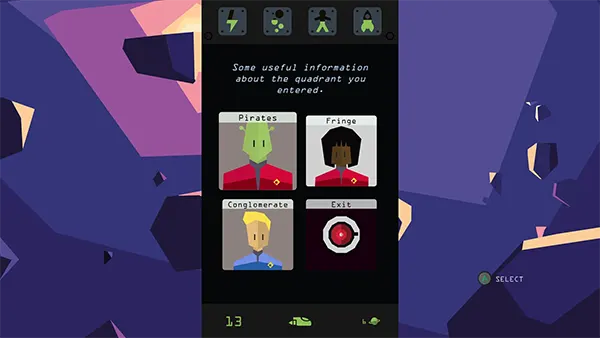
The story begins with the player character aboard the Sandman, a formidable ship controlled by an unusually talkative artificial intelligence. Events soon connect the captain with the Bear Lovers, a struggling band in need of a guitarist. From there, touring and survival become part of the same routine. A trip to another planet can lead to crew arguments, equipment problems, strange visitors, pirates or unexpected requests from people encountered in space. Reaching the destination is therefore not automatic. Every section of a journey is represented by a sequence of situations, and the condition of the ship can change repeatedly before the next planet is reached.
This structure suits Android especially well because the main controls require little more than dragging and swiping cards. There are no complicated command layouts to memorise before the story starts moving. At the same time, the game is considerably larger than its simple interface suggests. Official descriptions state that it contains more than 1,400 decision cards and over 60 characters, so a run can branch into very different events depending on previous choices, destinations and people brought aboard. Repeated cards do appear, particularly during longer sessions, but much of the appeal comes from gradually triggering new story chains rather than trying to complete one perfectly planned journey from beginning to end.
Reading Swipe Choices Before You Commit
Most conversations and events use the same basic rule. A card appears in the centre of the screen, and dragging it to the left or right reveals the response attached to that direction. The decision is not confirmed until the card is actually swiped away, which means it is useful to check both responses before choosing one. This is particularly important when a line of dialogue makes one answer sound obvious. Reigns: Beyond frequently uses humour, exaggeration and deliberately questionable advice, so the apparently sensible response is not guaranteed to be the safest one for the crew or the ship.
The resource indicators provide another clue. When a card is moved towards a possible response, the game can indicate which resources are likely to be affected. What it generally does not tell the player in advance is the exact size or direction of the change. A decision may clearly involve oxygen and morale, for example, but the interface does not necessarily confirm that one will rise while the other falls. Context matters. Stopping a crewmate from wasting electricity may protect the ship’s power supply but irritate the band. Agreeing to an entertaining but irresponsible idea may improve morale while consuming something the ship needs to stay alive.
Not every swipe is simply a resource calculation. Decisions can also affect relationships, activate another card later, add a character to the crew, change the direction of a story or make an unusual encounter possible. That makes memorising only the choices that increase a resource less useful than it first appears. Death is also built into the structure. When a run ends, the story can continue through the game’s cloning idea rather than treating every failure as a complete restart of everything the player has seen. A bad decision is therefore still meaningful, but it can also reveal information that helps when a similar situation returns.
Managing Power, Oxygen, Morale and Ship Condition
The four resource bars are the central survival system in Reigns: Beyond. They represent power, oxygen, the state or morale of the crew, and the condition or defensive strength of the ship. Different versions and descriptions use slightly different labels for the final two indicators, but their purpose is clear during play: one concerns the people aboard, while the other concerns the vessel itself. These resources rise and fall as decisions are made. The challenge is not to maximise one bar at the expense of everything else, but to reach the next destination without allowing a critical part of the journey to collapse.
Power covers the energy required to keep important ship functions running, while oxygen is an obvious limit on how long the crew can survive. Morale reflects how the people aboard respond to decisions, disagreements and the captain’s behaviour. The ship-related bar represents its ability to withstand damage and remain operational. A pirate encounter can damage the vessel, while a crew request may consume power or oxygen for a completely different benefit. Some characters also propose direct exchanges between resources. These offers can be useful when one bar is dangerously low, but they can create a second emergency if the cost is ignored.
The safest approach is to treat all four bars as reserves rather than points that must constantly be spent. A nearly full oxygen supply may seem like permission to sacrifice a large amount of it, yet several oxygen-related events can appear before the next opportunity to recover. The same applies to power and ship condition. Morale can be equally troublesome because repeatedly refusing the crew’s requests may preserve equipment while making the people aboard increasingly unhappy. There is rarely one resource that can be protected at all costs. Good runs come from maintaining enough room to absorb an unlucky event without immediately reaching zero.
Travelling Between Planets Without Burning Through Your Resources
Travel gives the resource system its purpose. The player selects a direction through the galaxy and then has to survive the cards generated during that part of the journey. Earlier descriptions of the game refer to a space compass, while the route system ultimately serves the same practical role: it lets the captain choose where the band should head next rather than following one fixed sequence of planets. Destination information can be deliberately vague, so a route choice is sometimes a judgement rather than a clearly marked correct answer. This uncertainty is part of the game’s structure, especially when several unfinished objectives are competing for attention.
Reaching a planet creates a different pace. Stops can provide access to shops, characters and possible performances. Shops sell items that may later help with repairs, unusual encounters or other situations. Bars and similar locations can introduce people who become useful contacts, passengers or crew members. A planet with a suitable audience may also offer the band a gig. For that reason, reaching a destination with healthy resources matters. Barely surviving the trip can leave much less freedom to deal with whatever happens after landing, while a better-balanced arrival gives the player more options before setting off again.
Space combat follows the same general design philosophy as conversations rather than becoming a complicated action system. Pirates, aggressive tax collectors and other hostile ships can trigger dogfights controlled through swipes and decisions. These encounters can damage the ship or consume resources, and choosing poorly can quickly turn an already weak journey into a failed one. Preparation therefore matters more than mechanical speed. A ship that enters an encounter with several low bars has little room for error. When choosing between another risky trip and spending time improving the current situation, the condition of the weakest resource is often more informative than the amount stored in the strongest one.
How Concerts and Galactic Guitars Change the Rhythm
Concerts separate Reigns: Beyond from the earlier kingdom-focused entries in the series. The band is travelling for a reason: it wants an audience. Gigs contribute to this part of the story by helping the group earn money and followers, while the fictional social-media element gives its growing popularity a visible place in the wider narrative. Performances are not available after every journey, so reaching locations where the band can actually play becomes part of the touring loop. Money earned during the adventure can then be useful for purchases and practical needs rather than existing as a separate score with no connection to survival.
A concert temporarily replaces decision cards with a simple music mini-game. The guitar moves along a twisting route while heart-shaped targets appear in its path. The player’s task is to shift the guitar from side to side and collect enough hearts during the performance. The controls are deliberately straightforward and are closer to steering along a musical track than playing a detailed rhythm simulation. This keeps concerts consistent with the rest of Reigns: Beyond: the actions are simple enough to perform immediately, while success depends on paying attention to what is approaching and positioning the guitar in time.
Guitars also provide a longer-term reason to keep travelling. Reigns: Beyond contains nine Galactic Guitars, and collecting them adds songs as well as individual pieces of story. This means the musical element develops as more of the game is completed instead of relying on only the first performance indefinitely. The original soundtrack was composed by Sam Webster, and music is used throughout the adventure to reinforce the contrast between the band’s ambitions and the dangerous situations surrounding it. The mini-games themselves remain intentionally uncomplicated, so players expecting a demanding rhythm game will find the decision and resource systems much more important than precise musical timing.
Practical Tips for Longer Runs and Better Gigs
The most useful habit is to check both sides of a card before committing to a swipe. Watch which resource indicators react, then consider what the wording suggests about the likely result. When one bar is already close to empty, avoid choices that clearly involve that resource unless the alternative looks even more dangerous. It is also worth resisting the urge to keep one favourite resource permanently full. A choice that trades a little power for badly needed oxygen may be far better than protecting the power bar simply because it is currently the strongest. Survival usually depends on keeping the weakest part of the ship away from a crisis.
Planet stops should be treated as opportunities to prepare for the next section of the journey rather than simple pauses between cards. Check what can be bought, who can be met and whether a gig is available before leaving again. Items can become unexpectedly useful when later events refer to repairs or specific problems, while new characters can lead to further narrative threads. Concerts are also more useful when the band reaches them without the rest of the journey already falling apart. A successful performance may support the band’s wider progress, but it does not remove the need to protect oxygen, power, morale and the ship on the next flight.
Finally, losing a run should not be treated as proof that every previous decision was wasted. Reigns: Beyond is designed around repeated journeys, unexpected deaths and new situations appearing as the player continues. With more than 1,400 cards, over 60 characters, nine Galactic Guitars and numerous objectives, much of the game is about seeing how different choices connect rather than keeping one captain alive indefinitely. Android’s swipe controls make it easy to play in shorter sessions, but the systems reward remembering what happened before: which requests were costly, which characters created useful opportunities, which journeys caused trouble and when a tempting decision was not worth the resource it consumed.